It usually happens faster than you expect.
One sudden noise. A door left open for half a second. A collar that felt “secure enough.”
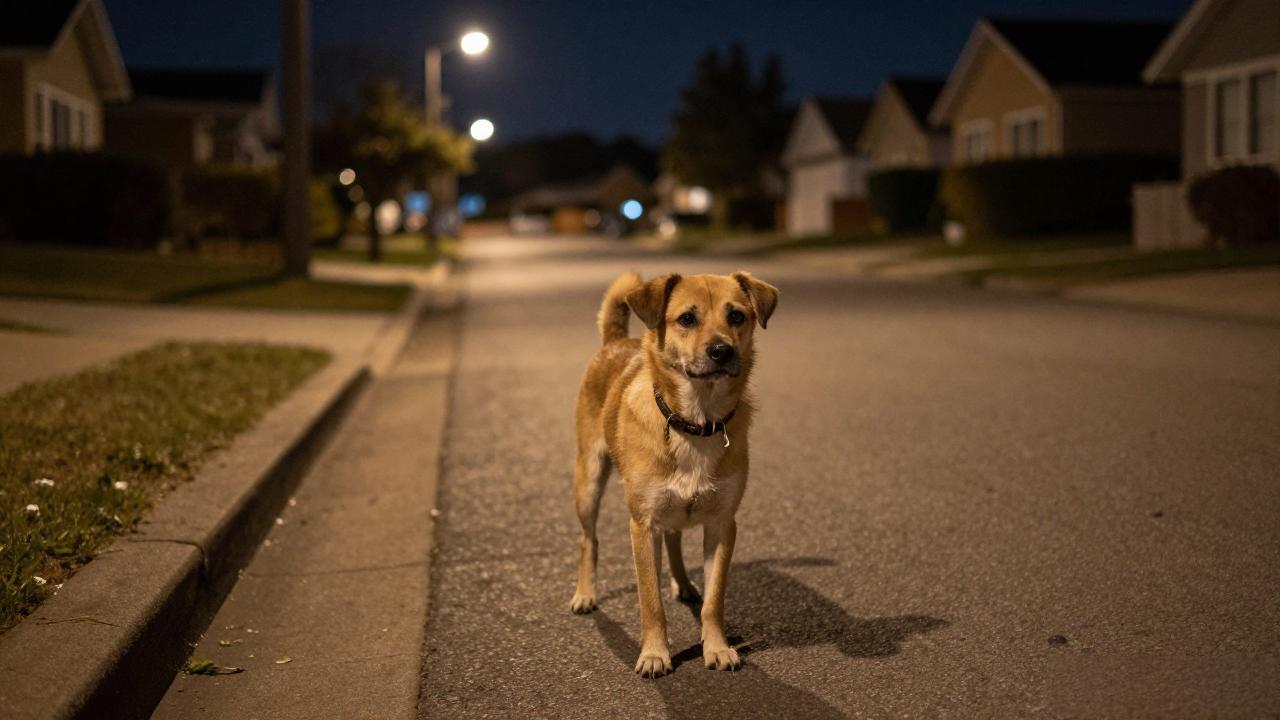
And then your dog is gone.
If your dog has ever slipped out of their collar and run away, you already know how terrifying those moments are. The racing heart. The guilt. The endless “what ifs.” And once your dog is safely back, the next question comes almost immediately:
How do I make sure this never happens again?
The truth is, most dogs that escape don’t do so because their owners are careless. They escape because everyday setups fail under stress. Collars loosen. Buckles shift. Dogs panic, pull backward, and suddenly they’re free.
Preventing it from happening again means understanding why collars fail, what dogs actually do when they’re scared, and which small changes make the biggest difference.
Why dogs slip out of collars more often than we think
Many dogs don’t pull forward when frightened. They pull backward.
This matters because most standard collars are designed with forward tension in mind. When a dog pulls back, especially with a narrow head or thick neck fur, the collar can slide right over the ears.
Some common situations where this happens:
-
Loud noises like fireworks, construction, or thunder
-
Sudden encounters with other dogs
-
Being startled during walks
-
Door-dashing when visitors arrive
-
Anxiety in unfamiliar environments
Small dogs, sighthounds, puppies, and dogs with narrow heads are especially good at slipping out of collars. But even large dogs can escape if the collar fit isn’t right.
The uncomfortable truth: escape often happens when no one is watching
Many owners assume escapes happen only during walks. In reality, a huge number of dogs go missing close to home.
A quick trip to take out the trash.
A gate left unlatched.
A collar put on “just for a minute.”
When something unexpected happens in those moments, there’s often no time to react.
That’s why prevention can’t rely on supervision alone. It has to work even when things go wrong.
Step one: rethinking collar fit (most people get this wrong)
A properly fitted collar should be snug enough that it doesn’t rotate freely, but loose enough to fit two fingers underneath comfortably.
However, this rule is often misunderstood.
-
Two fingers flat, not stacked
-
Check fit while your dog is standing and relaxed
-
Recheck regularly, especially for puppies or dogs with thick fur
If the collar slides easily over the ears when you gently pull backward, it’s too loose.
Martingale-style collars or limited-slip designs can help prevent backward escapes for dogs prone to slipping out. They tighten slightly under tension without choking.
But no collar is escape-proof if it’s poorly fitted.
Step two: accepting that no collar is perfect
Even the best collar can fail.
Buckles break. Rings bend. Fabric wears down. Dogs panic harder than expected.
This is why prevention doesn’t stop at “a better collar.” It also means planning for the moment when your dog is suddenly loose.
And this leads to one of the most overlooked safety tools: identification.
Why identification matters even if your dog is microchipped
Microchips are incredibly valuable, but they don’t help in the first critical moments after a dog escapes.
A microchip:
-
Requires a scanner
-
Requires a vet, shelter, or trained rescuer
-
Requires time
A visible ID tag works immediately.
When someone finds a loose dog, they don’t think, “Let me check for a microchip.”
They think, “Whose dog is this?”
A clear, readable ID tag with a phone number allows a stranger to help without involving authorities or shelters. Many lost dogs are returned within minutes simply because someone could make a call.
In cases where dogs slip out of collars, an ID tag often becomes the difference between a brief scare and a long search.
What kind of ID tag actually helps in escape situations
Not all tags are equal, especially when a dog has already slipped free once.
Things that matter more than style:
-
Durability: Thin aluminum tags can bend or become unreadable
-
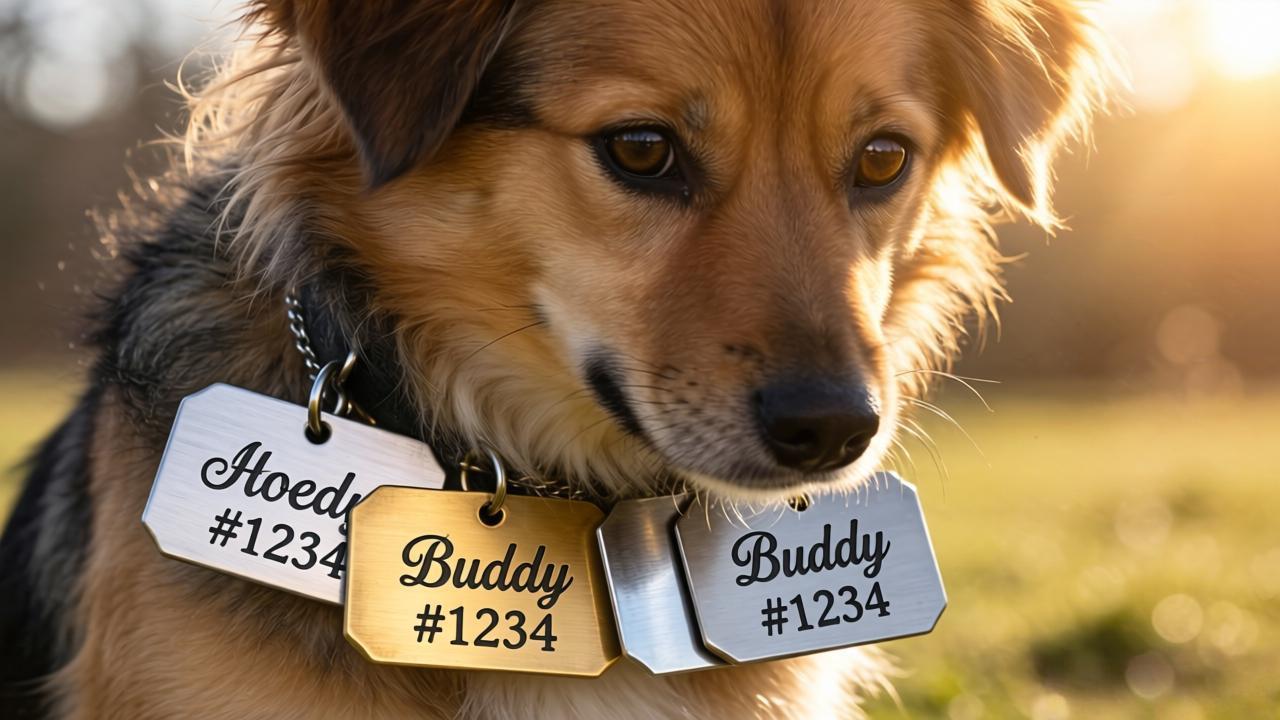
Readability: Small fonts or decorative scripts are hard to read under stress
-
Noise: Loud tags can startle anxious dogs further
-
Attachment: Weak split rings are a common failure point
For dogs prone to escaping, tags that are:
-
Solid metal
-
Clearly engraved (not printed)
-
Securely attached
tend to hold up better in real-world situations.
Some owners also choose to engrave minimal but essential information: name and one phone number. Simpler is often better when someone is trying to help quickly.
Step three: training for the moment before escape
Equipment alone isn’t enough.
Training your dog to respond in high-stress moments dramatically reduces the chance of a successful escape.
Focus on:
-
Reliable recall indoors before outdoors
-
“Wait” cues at doors and gates
-
Desensitization to common triggers like noises or bicycles
Practice matters most in calm environments, so your dog has a learned response when things get chaotic.
Why prevention is about layers, not one solution
Dogs slip out of collars because several small things fail at once.
A slightly loose collar.
A sudden scare.
A door left open.
The most effective prevention plans use layers:
-
Properly fitted collar
-
Escape-aware design (like martingale styles if needed)
-
Clear identification on the collar
-
Microchip as backup
-
Basic door and recall training
Each layer reduces risk. Together, they make escapes far less likely and far less dangerous.
After an escape, it’s normal to feel shaken
Many owners feel embarrassed or guilty after their dog slips away. But escapes are incredibly common, even among experienced dog owners.
What matters is what you do next.
Review what failed.
Strengthen the weak points.
Prepare for the unexpected.
Most dogs that escape once will try again in similar situations. Taking small, thoughtful steps now can prevent a repeat — and give you peace of mind every time your dog steps outside.
Final thoughts
No setup is perfect. Dogs are fast, clever, and emotional creatures.
But when collars fit properly, identification is clear, and training supports calm behavior, the odds shift heavily in your favor.
And if your dog ever does slip free again, having the right information visible on them may be the reason they make it home quickly.
That’s not about selling fear.
It’s about respecting reality — and being ready for it.

Related Posts