
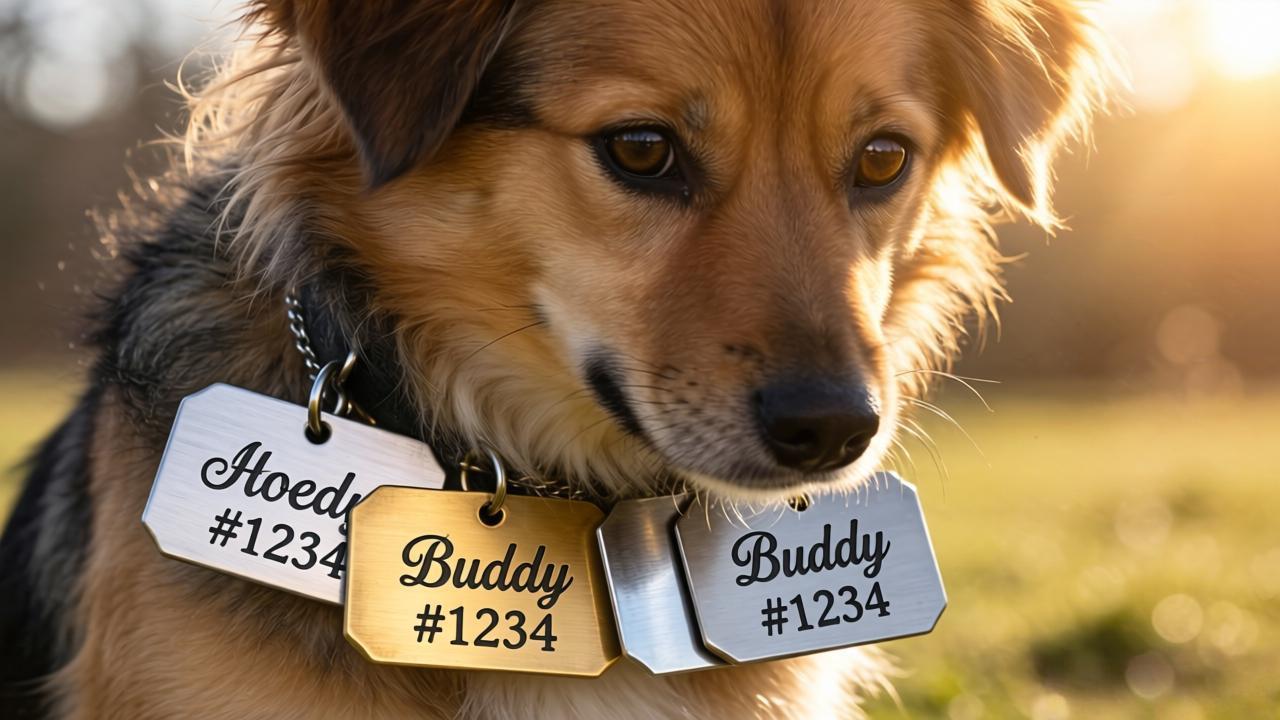
Every dog owner wants their furry friend to be safe, and a dog ID tag is a simple yet crucial tool to ensure that. But a common concern many pet parents have is whether dog ID tags fade over time. After all, a faded tag can make it difficult for someone to read your pet’s information in an emergency. In this article, we’ll explore the factors that influence fading, including material choice and engraving depth, and how you can select a tag that stands the test of time.
Understanding the Basics: Why Dog ID Tags Fade
Dog ID tags are exposed to a variety of environmental factors every day. Sunshine, rain, mud, and even your dog’s natural oils can wear down the appearance of a tag. While some fading is inevitable, the rate and severity of fading are largely determined by the tag’s material and the method used to engrave your pet’s information.
The Role of Material in Tag Durability
One of the first considerations when buying a dog ID tag is the material. Some materials hold up much better over time than others:
- Aluminum: Lightweight and inexpensive, aluminum tags are popular, but they are prone to scratches and fading, especially if your dog is active outdoors.
- Brass: Brass has a classic, elegant look and tends to maintain its legibility longer than aluminum. However, it can tarnish, so occasional cleaning is recommended.
- Stainless Steel: Known for its resilience, stainless steel is one of the most fade-resistant options. It can withstand swimming, rough play, and daily wear without losing its engraved information.
- Titanium: For dogs that never slow down, titanium is the ultimate choice. It’s lightweight, extremely durable, and almost impervious to fading, making it ideal for long-term use.
Engraving Depth Matters
Even the most durable material can’t prevent fading if the engraving is too shallow. Tags with deep, well-defined engravings are far more resistant to wear because the information remains legible even as the surface gets scratched or worn. When ordering a custom tag, make sure your pet’s name, phone number, and any other critical details are deeply engraved. This small step can make a huge difference in the longevity of your dog’s ID tag.

Maintenance Tips to Reduce Fading
Proper maintenance can help keep your dog ID tag looking new for longer. Here are a few practical tips:
- Regular Cleaning: Gently clean your tag with a damp cloth and mild soap to remove dirt and oils.
- Avoid Harsh Chemicals: Bleach or strong detergents can damage the tag’s surface and accelerate fading.
- Check Engraving: Periodically inspect the engraving for wear. If it’s becoming difficult to read, consider upgrading to a more durable material or deeper engraving.
Choosing the Right Tag for Your Dog
When selecting a dog ID tag, consider your pet’s activity level, the environment they spend most time in, and how often you’re willing to maintain the tag. Active dogs who swim, hike, or play outdoors frequently will benefit from materials like stainless steel or titanium combined with deep engraving.
If you’re ready to get a durable, high-quality dog ID tag, check out our custom dog ID tags. Each tag is crafted to resist fading, ensuring your dog’s information stays readable for years to come.
Common Misconceptions About Fading
Some pet owners believe that fading is unavoidable no matter what material or engraving method they choose. While all tags will experience some wear, the right combination of material and engraving depth can dramatically extend a tag’s life. Investing in a premium tag now can save headaches later, especially if your dog is adventurous or often outdoors.
Real-Life Examples
Consider two dogs: one with a thin aluminum tag and shallow engraving, and another with a titanium tag and deep engraving. After a year of daily walks, swims, and outdoor adventures, the aluminum tag may have faded to the point where the text is hard to read, while the titanium tag remains clear and legible. This example shows that choosing the right materials and engraving method can prevent fading before it becomes a safety concern.
Conclusion
Dog ID tags can fade over time, but understanding the influence of material and engraving depth helps pet owners make informed decisions. Opt for high-quality materials like stainless steel or titanium and ensure the engraving is deep enough to withstand daily wear. With proper care and attention, your dog’s ID tag can remain readable for years, keeping your furry friend safe.
Don’t wait until your dog’s tag becomes unreadable. Explore custom dog ID tags today and choose a tag that lasts as long as your adventures together.

Related Posts