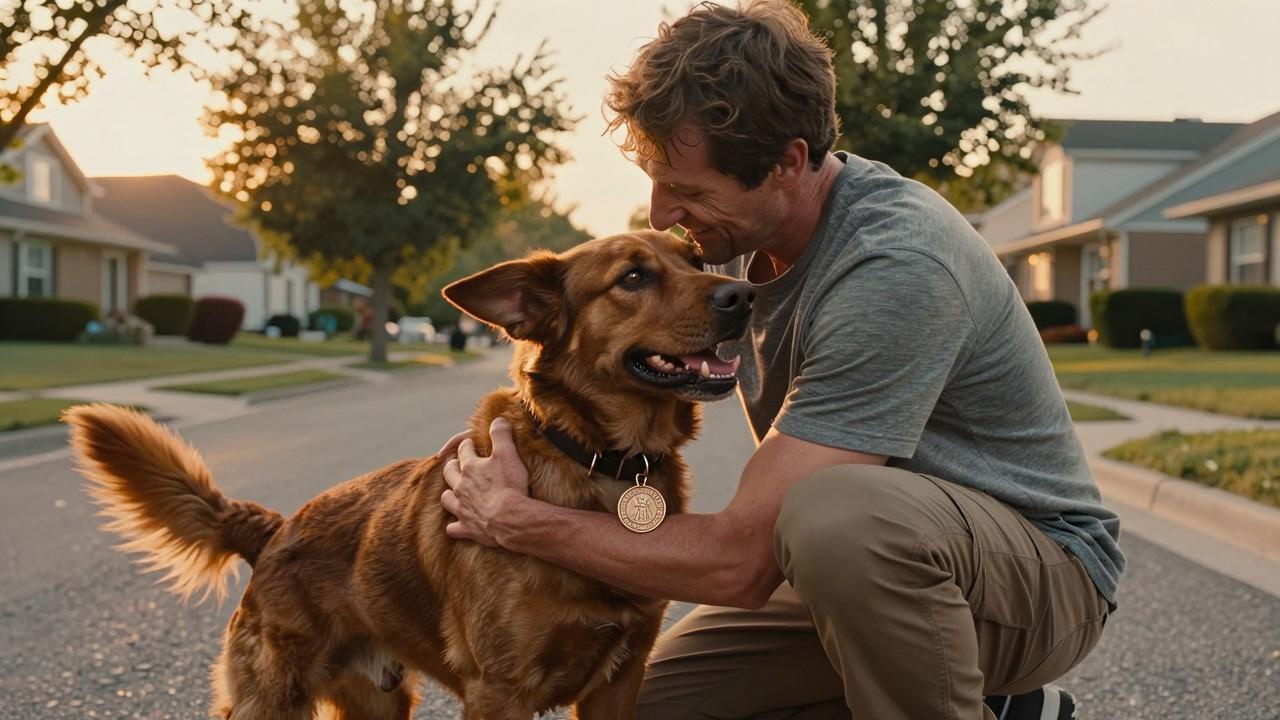

I still remember the first time my puppy slipped out of his collar.
It wasn’t dramatic. No running into traffic, no loud panic. Just a quiet moment when I turned around and realized he wasn’t behind me anymore. He had wriggled free, wandered a few steps ahead, and looked back like it was no big deal.
It was a big deal to me.
That moment is when the question hit me for real: when should a puppy actually start wearing an ID tag? Not “eventually.” Not “when they’re older.” But when it actually matters.
If you’re raising a puppy right now, this question usually comes up sooner than expected—often before vaccinations are even finished. And the answer isn’t as rigid as some people make it sound.
Why Puppies Need ID Tags Earlier Than Most People Think
Puppies are curious, clumsy, fearless, and completely unaware of danger. That combination is adorable—and risky.
Even indoor puppies slip out doors. Even supervised puppies manage to wiggle out of collars. And unlike adult dogs, puppies don’t have any sense of “home territory” yet.
An ID tag isn’t about expecting something bad to happen. It’s about accepting that puppies are unpredictable by nature.
What About the Vaccination Period?
This is where a lot of owners hesitate.
During the vaccination phase, puppies often aren’t going on walks yet. They’re staying indoors, avoiding public spaces, and meeting only a small circle of people and pets.
So it feels logical to wait.
But here’s the thing: most puppy escapes don’t happen on walks. They happen during transitions—opening doors, carrying groceries, loading cars, or letting guests in.
Even during the vaccination period, your puppy should already be wearing:
- A lightweight collar
- A simple ID tag with your phone number
You don’t need bells, decorations, or anything heavy. Just identification.
The Collar Change Phase (And Why Tags Get Forgotten)
Puppies grow fast. Sometimes shockingly fast.
That means collars get swapped out often—sometimes every few weeks in the early months. And this is where ID tags tend to fall through the cracks.
Many people think, “We’ll add the tag once this collar fits properly.” Then the puppy grows again. And again.
My rule became simple: every collar gets a tag, even temporary ones.
If a collar is on your puppy’s neck, that’s enough reason for it to carry identification.
How Often Should a Puppy’s ID Tag Be Replaced?
ID tags aren’t one-and-done for puppies.
You’ll likely replace or update tags because of:
- Growth and collar size changes
- Wear from chewing, scratching, or rough play
- Contact information changes
In the first year, it’s common to go through two or even three tags—not because the old ones are bad, but because your puppy isn’t done becoming who they’re going to be yet.
Choosing the Right Tag Material for a Growing Puppy
This is where material matters more than aesthetics.
Puppy tags should be:
- Lightweight
- Durable
- Quiet enough not to annoy sensitive ears
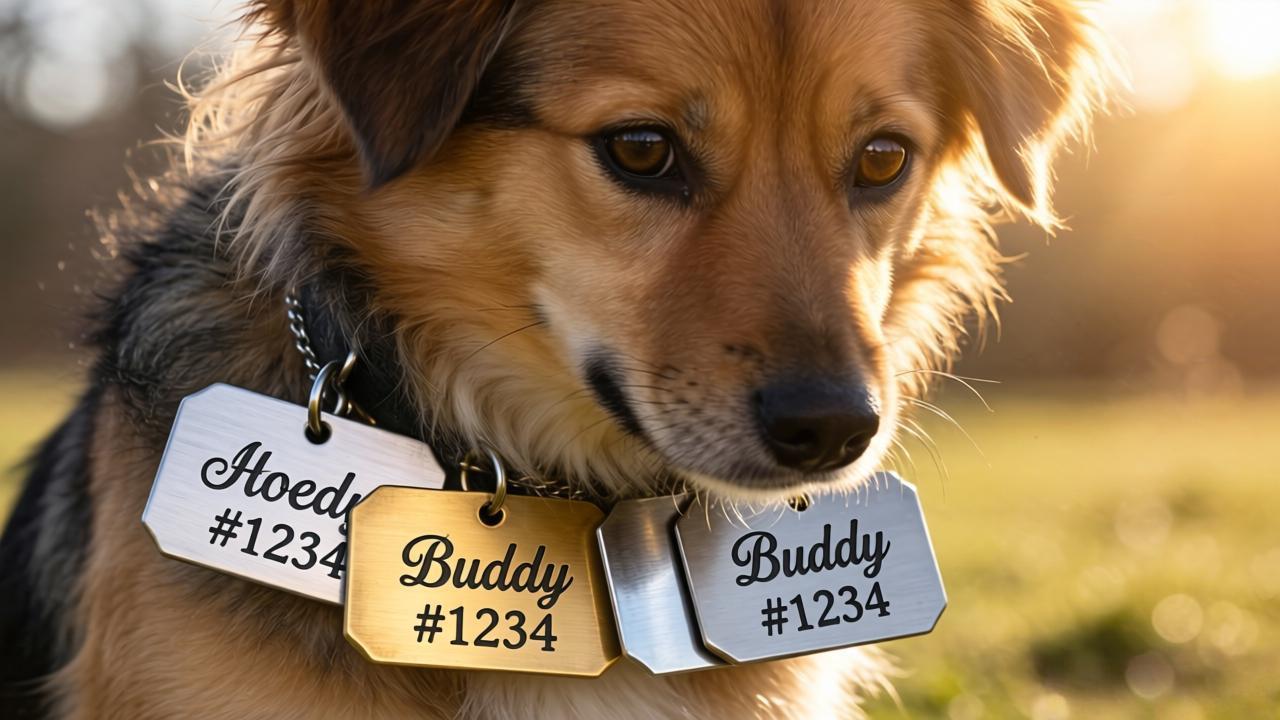
Titanium: Light, Strong, and Puppy-Friendly
Titanium is one of my top recommendations for puppies.
It’s extremely lightweight, doesn’t rust, and holds engraving well. That matters when your puppy spends half the day chewing toys—and occasionally their own collar.
Titanium tags are especially good for active puppies who grow fast but still need something that won’t irritate their neck.
Brass: Classic, Solid, and Surprisingly Practical
Brass is a bit heavier, but it has its place.
It’s durable, ages beautifully, and stays readable even after a lot of wear. For medium to large puppies who aren’t sensitive to weight, brass can be a solid option.
Just keep an eye on size—too large or thick can feel awkward on a small puppy.
If you’re choosing for a very small or toy breed, this guide on what kind of ID tag is right for small dogs walks through the decision gently and realistically.
What Information Should a Puppy Tag Include?
Less is more.
For puppies, I recommend:
- Puppy’s name (optional)
- Your phone number
That’s it.
Addresses change. Names change. But a working phone number gets your puppy home faster than anything else.
When It Finally Feels “Normal”
One day, you’ll realize you don’t even think about the tag anymore.
It’s just there—quietly doing its job.
Your puppy will still grow, still change collars, still surprise you. But the habit of identification becomes part of daily life, not a special precaution.
And that’s the goal. Not fear. Not perfection. Just being ready, before you need to be.

Related Posts