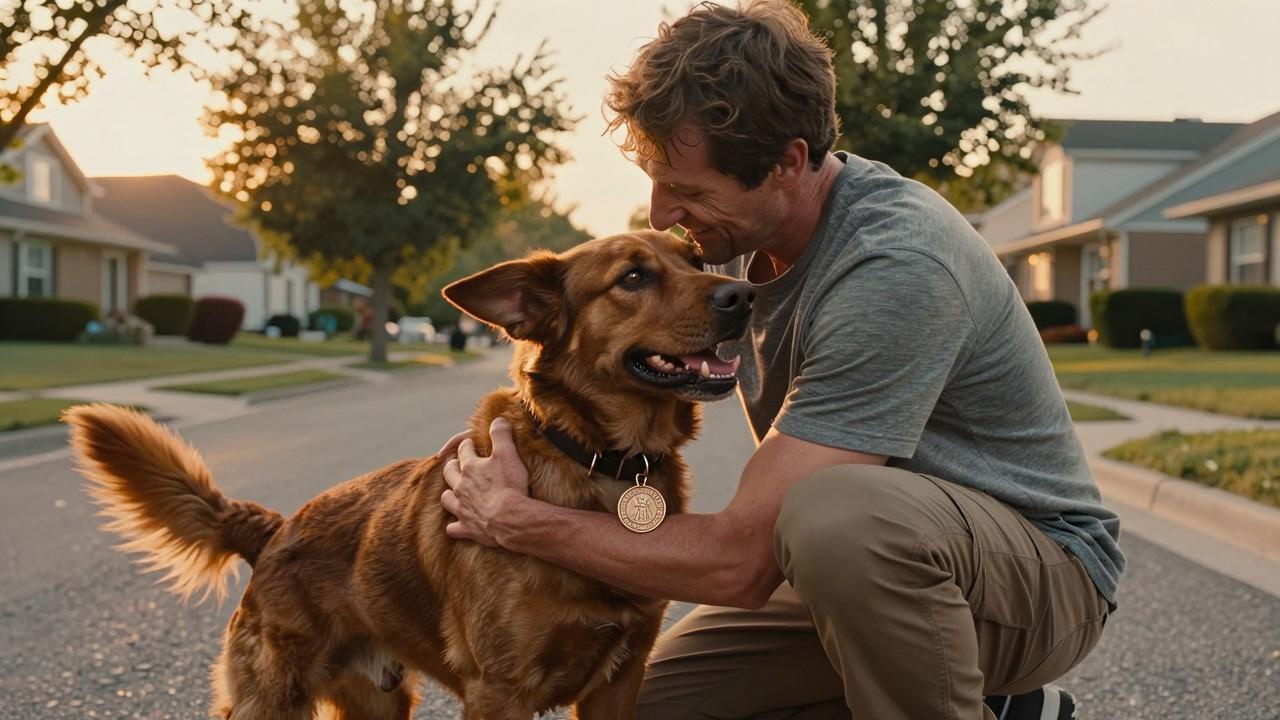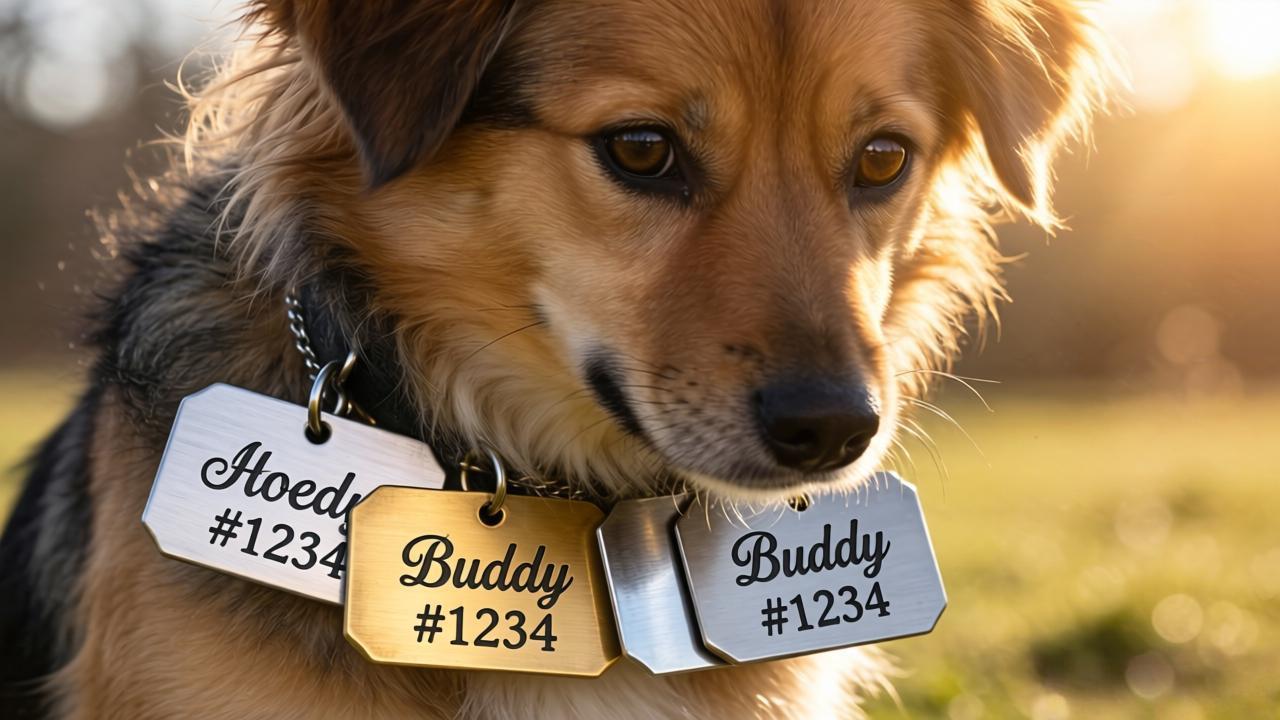

For most dog owners, a dog ID tag is one of the first things they buy—right after a collar, maybe a leash. It feels like a simple decision. Pick a shape, engrave a name and phone number, clip it on, done.
But if you’ve ever lost a dog, even for a few minutes, you know how much weight that tiny piece of metal actually carries.
A dog ID tag isn’t an accessory. It’s a last line of communication between your dog and the world when you’re not there to speak for them. And the uncomfortable truth is that many tags fail at the exact moment they’re needed most.
This article isn’t about trends or cute fonts. It’s about what really matters when it comes to dog ID tags—what goes wrong, what owners regret, and how to choose something that actually works when things don’t go as planned.
The Moment Every Dog Owner Fears
Most dogs don’t get lost during dramatic events. It’s rarely a movie-style chase or a snapped leash in a storm. More often, it’s painfully ordinary.
A gate that wasn’t fully closed.
A collar that slipped off during play.
A delivery driver leaving the door open for five seconds too long.
The dog bolts—not because they want to run away, but because they’re curious, startled, or chasing a smell they’ve never noticed before.
In those moments, your dog doesn’t know your address. They don’t know your last name. They don’t know how to ask for help.
All they have is what’s on their collar.
Shelters and veterinarians will tell you the same thing: dogs with clear, readable ID tags are reunited faster than dogs without them. Sometimes within minutes. Sometimes before they even make it to a shelter system.
And yet, many tags are unreadable, outdated, broken, or simply missing when they’re needed most.
Why So Many Dog ID Tags Fail
On paper, a dog tag seems foolproof. In reality, there are several common failure points that owners rarely think about until it’s too late.
1. Engraving that wears away
Cheap engraving looks fine for the first few months. Then the letters fade. The phone number becomes half-legible. A stranger squints, guesses a digit wrong, and gives up.
If someone can’t read the information quickly and confidently, they’re less likely to try.
2. Noisy tags that get removed
Tags that jingle constantly can drive both dogs and owners crazy. Some people remove the tag at home “just for a bit” to stop the noise—and forget to put it back on before a walk.
That’s often when accidents happen.
3. Tags that break or fall off
Split rings bend. Cheap metal cracks. Tags get caught on fences, crates, or branches. Many lost dogs are still wearing their collars—just without the tag attached.
4. Too much information, or the wrong information
Some tags try to fit everything: full address, multiple phone numbers, slogans, symbols. The result is cluttered, tiny text that’s hard to read in low light or stress.
Others include outdated numbers because the owner moved or changed phones and never updated the tag.
5. “It won’t happen to my dog” thinking
This is the quiet one. Many owners simply assume their dog won’t get lost. The tag becomes an afterthought rather than a critical safety tool.
Until the day it matters.
The Real Purpose of a Dog ID Tag
A dog ID tag has one job: help a stranger get your dog back to you as fast as possible.
That’s it.
It’s not meant to prove how much you love your dog. It’s not meant to match your outfit. It’s not meant to show off a clever quote.
When someone finds a lost dog, they are usually stressed, busy, and unsure what to do next. Your tag needs to work in that emotional state.
That means:
- The information must be instantly readable
- The contact method must be current and reliable
- The tag must stay on the dog
- The tag must survive real life—rain, chewing, scratching, time
Anything that compromises these goals is a design flaw, not a feature.
Material Matters More Than Most People Think
The material of a dog ID tag affects durability, readability, noise, and longevity.
Stainless steel is popular for a reason. It resists rust, holds engraving well, and doesn’t bend easily. High-quality steel tags can remain readable for years.
Brass looks classic and engraves deeply, but it can darken over time. Some owners like the patina; others don’t.
Aluminum is lightweight and quiet, but softer. Engraving can wear faster, especially for active dogs.
Plastic or silicone tags are silent and flexible, but often sacrifice long-term durability and engraving clarity.
There’s no perfect material for every dog. A small indoor dog and a large outdoor dog live very different lives. The key is matching the tag to the dog’s actual behavior—not just aesthetics.
What Information Should Really Be on a Dog Tag?
More information is not always better.
At minimum, a dog ID tag should include:
- The dog’s name (optional, but helpful for calming them)
- One reliable phone number
That’s often enough.
Some owners choose to include a second phone number as backup. Others add “Microchipped” to encourage a vet or shelter scan.
Full home addresses are increasingly debated. While they can be helpful, some owners prefer not to display them for privacy reasons—especially in urban areas. A phone number allows direct contact without revealing location details.
The most important rule is this: never put information on a tag that you won’t keep updated.
An outdated phone number is worse than no number at all, because it creates false confidence.
Microchips Are Not a Replacement for ID Tags
This is one of the biggest misconceptions in pet ownership.
Microchips are fantastic. They save lives. Every dog should have one.
But microchips are passive. They require a scanner, a visit to a vet or shelter, and a correct registration database entry.
An ID tag is active. Anyone with a phone can use it immediately.
The fastest reunions almost always happen because someone called a number on a tag—not because they scanned a chip.
Think of microchips as a backup system. The ID tag is the front line.
Emotional Design: How a Tag Makes People Act
Here’s something rarely discussed: how a dog ID tag makes other humans feel.
When someone finds a lost dog, they subconsciously assess how cared for that dog is. A clean collar, a solid tag, clear engraving—it signals responsibility. It tells them, “This dog belongs to someone who is looking for them.”
That increases the likelihood that the finder will take action.
A flimsy, faded, barely readable tag sends the opposite signal. It introduces doubt. And doubt leads to hesitation.
Good tag design isn’t just about materials and text. It’s about trust.
Choosing a Tag You Won’t Ignore
The best dog ID tag is one you don’t forget, don’t remove, and don’t have to think about.
It should:
- Be comfortable for your dog
- Be quiet enough that it doesn’t annoy you
- Be durable enough that you trust it
- Be simple enough that it’s always readable
If a tag is irritating, noisy, or feels temporary, owners are more likely to remove it “just for now.”
And “just for now” is when dogs get lost.
A Small Object With a Big Responsibility
It’s easy to underestimate dog ID tags because they’re small and inexpensive compared to other pet gear. But their value isn’t measured in materials or design—it’s measured in outcomes.
A tag either works when it’s needed, or it doesn’t.
When you choose a dog ID tag, you’re not just buying a product. You’re making a decision about how prepared you are for a moment you hope never comes.
Most of the time, nothing happens. Your dog comes home. Life goes on.
But if the day ever comes when your dog doesn’t come back right away, that little tag may be the only thing standing between panic and a phone call that says, “We found your dog.”
And that’s worth taking seriously.

Related Posts