
If your dog has ever slipped out of their collar, you know how fast your heart can drop. One second they’re beside you. The next, the leash goes slack, and you’re holding an empty collar.
I’ve been there. It wasn’t dramatic at first. No traffic. No shouting. Just that quiet, sick realization that my dog had backed out of his collar like he’d practiced it. And maybe he had.
The truth is, many dogs can slip out of collars — especially if the fit, material, or design isn’t right for their body type or behavior. The good news? Most escape situations are preventable once you understand why they happen.
Why Dogs Slip Out of Collars in the First Place
Dogs don’t escape because they’re “bad.” They escape because something in the system allows it.
Here are the most common reasons:
- The collar is too loose. You should be able to fit two fingers comfortably under it — not more.
- The dog pulls backward. Many standard buckle collars loosen when pressure is applied in reverse.
- The dog has a narrow head. Breeds like Greyhounds and Whippets can back out easily due to head shape.
- Fear response. Loud noises, unfamiliar environments, or sudden triggers cause instinctive escape behavior.
Once I realized my dog wasn’t just “wiggling free” but intentionally bracing and reversing, it changed how I approached the problem.
Check the Fit First — Not Just the Tightness
Most people respond by tightening the collar. That’s understandable — but it’s not always the safest solution.
A collar that’s too tight can cause skin irritation, matting in long-haired breeds, and even breathing discomfort. Instead of simply pulling it tighter, evaluate:
- Does the collar sit high on the neck or sag low?
- Does it rotate excessively?
- Does it shift when the dog lowers their head?
A properly positioned collar should sit higher on the neck, closer to the ears, where the neck tapers slightly.

Consider a Martingale Collar for Escape-Prone Dogs
If your dog consistently backs out of traditional collars, a martingale collar may help. These collars gently tighten when pulled but do not choke when fitted properly.
They were originally designed for sighthounds but work well for many breeds with narrow heads or strong backward pulling behavior.
When fitted correctly, a martingale reduces the gap that allows escape — without constant pressure.
That said, no collar design replaces responsible supervision.
Harnesses: Helpful, But Not Foolproof
Front-clip harnesses can reduce pulling and provide more control. For some dogs, especially anxious ones, this can significantly reduce escape attempts.
However, harnesses can also be slipped if improperly fitted. I’ve seen dogs wriggle out of them during fireworks or vet visits.
The key is not choosing between collar or harness — it’s making sure whichever you use is fitted intentionally.
Training Matters More Than Hardware
Equipment helps. But behavior change prevents repeat escapes.
If your dog slips out when startled, focus on desensitization training. If they back out when they want to greet another dog, work on leash impulse control.
A collar should not be your only layer of safety. It’s a tool — not a guarantee.
What to Do Immediately If Your Dog Slips Out
If it happens again, resist the urge to chase. Many dogs interpret pursuit as play or threat and run farther.
Instead:
- Stay calm and avoid yelling.
- Kneel down to appear less threatening.
- Use a happy, inviting tone.
- If safe, turn and walk slowly in the opposite direction.
Dogs are pack-oriented. Often, creating distance triggers them to follow you.
If your dog runs out of sight, start moving methodically — not frantically. Call nearby neighbors. Check familiar spots. And most importantly, act quickly.
Why an ID Tag Is Still Essential — Even If Escapes Are Rare
Even with perfect training and a properly fitted collar, accidents happen. Doors get left open. Leashes slip. Fireworks go off unexpectedly.
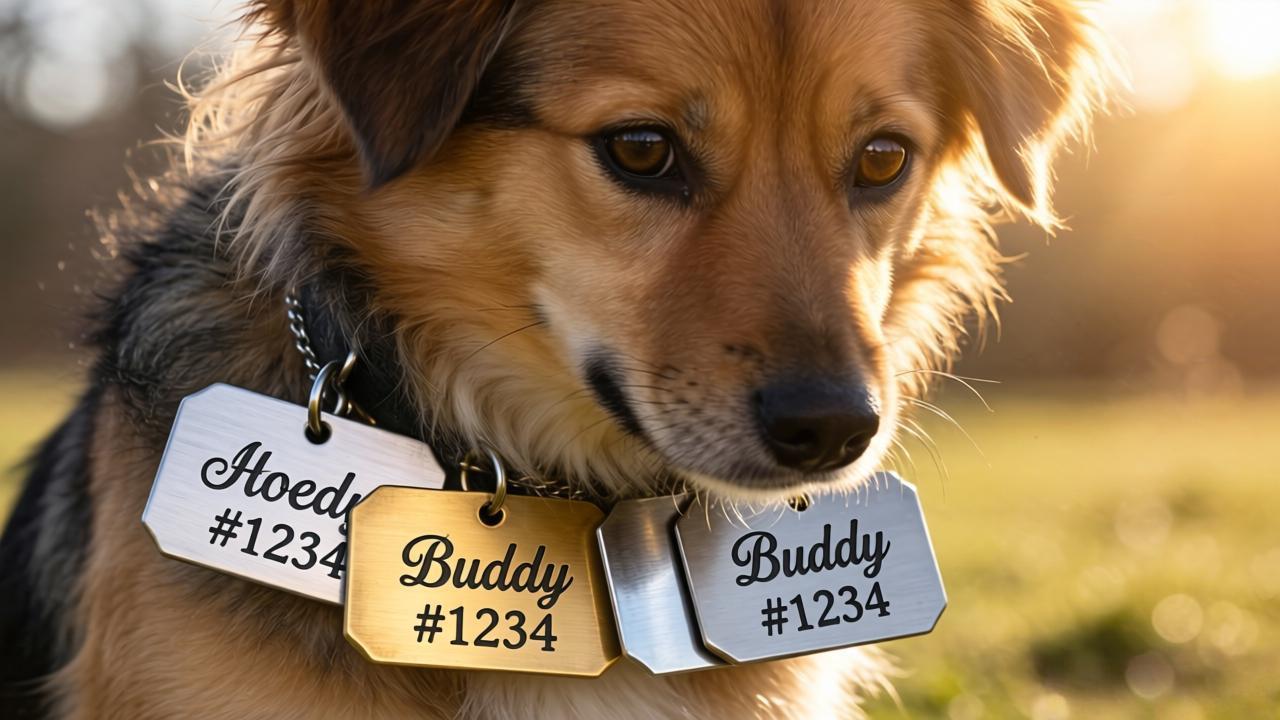
An ID tag is the fastest way for a stranger to contact you.
Microchips are important, but they require a scanner. An ID tag requires only a glance.
If you’re unsure what information should (and shouldn’t) be included, you can read more here:
What Should You Not Put on a Dog Tag?
The difference between a near-miss and a long night searching can come down to something as simple as readable contact information.

Layer Your Safety, Don’t Rely on One Solution
After my dog slipped out the first time, I didn’t just tighten the collar. I adjusted the fit, switched to a martingale for walks, practiced recall more intentionally, and double-checked his ID tag engraving.
No single change fixed everything. But layered together, they reduced the risk dramatically.
Dog safety isn’t about paranoia. It’s about preparation.
Final Thoughts
If your dog has slipped out before, you’re not careless. It happens more often than people admit. The key is not feeling embarrassed — it’s making adjustments before it becomes a bigger scare.
Start with fit. Evaluate design. Work on behavior. And make sure that if your dog ever does get loose, anyone who finds them can help them get home quickly.
Because the goal isn’t just preventing escape. It’s making sure that if the unexpected happens, the outcome is still safe.

Related Posts