
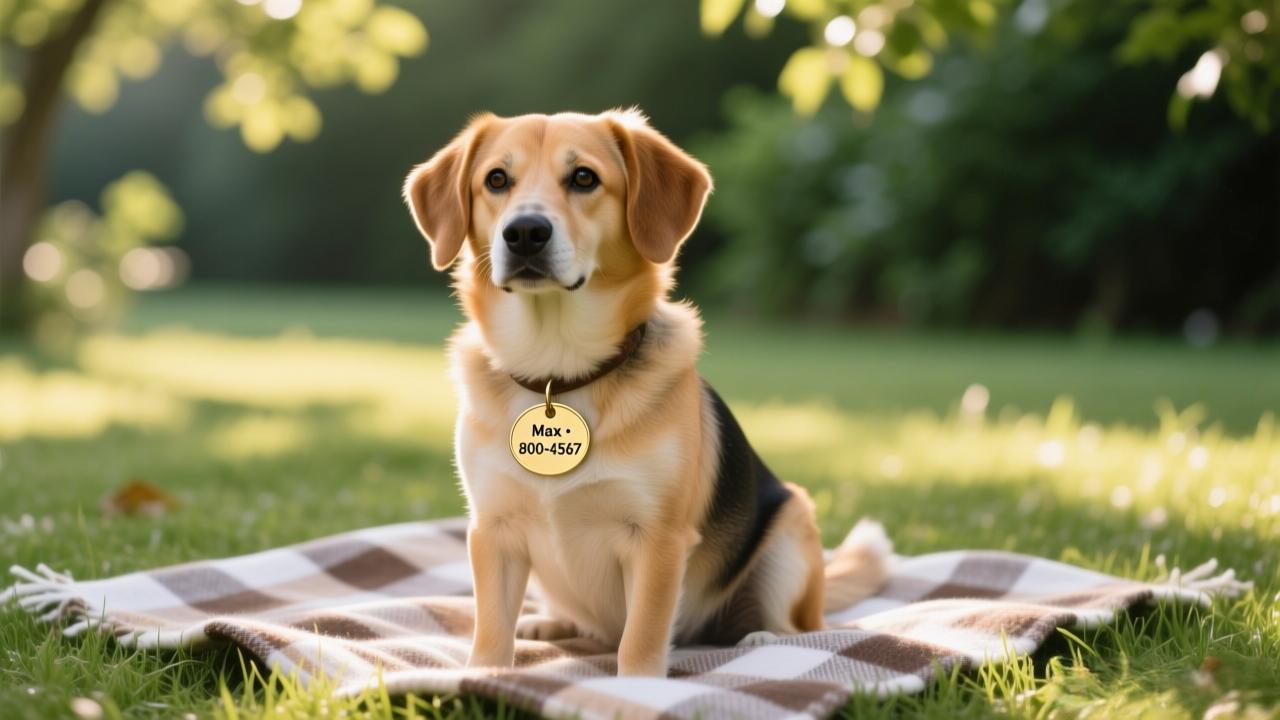
Common Mistakes That Can Put Your Dog at Risk
A dog tag is meant to help your dog get home safely.
But many dog owners don’t realize that putting the wrong information on a dog tag can actually create new risks — from privacy issues to safety concerns.
If you’re engraving a dog tag for the first time (or updating an old one), here’s exactly what you should NOT put on a dog tag, and why.
1. Your Full Home Address
Many people assume that adding a full home address is helpful. In reality, it often isn’t.
Why it’s a problem:
- It takes up valuable space on a small tag
- Addresses can change
- It can create privacy and security concerns if your dog is found by the wrong person
What to do instead:
City and state are usually enough. A phone number allows the finder to contact you directly, which is faster and safer.
2. Too Much Personal Information
A dog tag is not an ID card.
Avoid engraving:
- Your full name
- Multiple phone numbers
- Email addresses
- Personal messages unrelated to identification
Why this matters:
Overcrowded tags become hard to read, especially when the engraving wears down over time.
Clear, readable information is far more important than adding “everything just in case.”
3. Temporary or Easily Outdated Information
Some information may seem useful now but won’t age well.
Avoid:
- Short-term phone numbers
- Temporary addresses
- Travel-specific details
Why:
If the information becomes outdated, the tag loses its purpose entirely.
Always engrave information you expect to keep long-term.
4. Medical Details That Require Context
It’s common to see tags engraved with:
- “Diabetic”
- “On medication”
- “Heart condition”
While well-intentioned, these details can be misleading without proper context.
Better option:
If your dog has medical needs, consider engraving:
- “Needs medication”
- Or using a QR code tag or medical alert accessory for detailed info
This avoids confusion and ensures responders look for more information instead of guessing.
5. Jokes, Nicknames, or Decorative Text
Humor is fun — but a dog tag’s job is safety.
Avoid:
- Inside jokes
- Funny phrases
- Long nicknames that replace your dog’s actual name
Why:
In a stressful situation, the person helping your dog needs clear, practical information — not a puzzle.
Your dog’s real name helps establish trust and makes communication easier.
6. Information That Makes Your Dog a Target
Some details can unintentionally attract the wrong attention.
Avoid mentioning:
- Expensive breeds or bloodlines
- “Reward guaranteed”
- “Purebred” or breeder-specific claims
Why:
Sadly, theft does happen. A tag should help your dog get home, not make them more valuable to someone else.
What Should a Dog Tag Focus On?
A good dog tag keeps things simple:
- Dog’s name
- One reliable phone number
- Optional: city/state
That’s it.
Modern laser engraved dog tags are especially helpful because they allow clear, durable text without overcrowding, even on smaller tags.
Final Thoughts
When it comes to dog tags, less is usually more.
The goal isn’t to tell your dog’s entire story — it’s to make it easy for the right person to contact you and get your dog home safely.
If you’re ever unsure, ask yourself one question:
“Does this information help someone contact me quickly and safely?”
If the answer is no, it probably doesn’t belong on the tag.

Related Posts